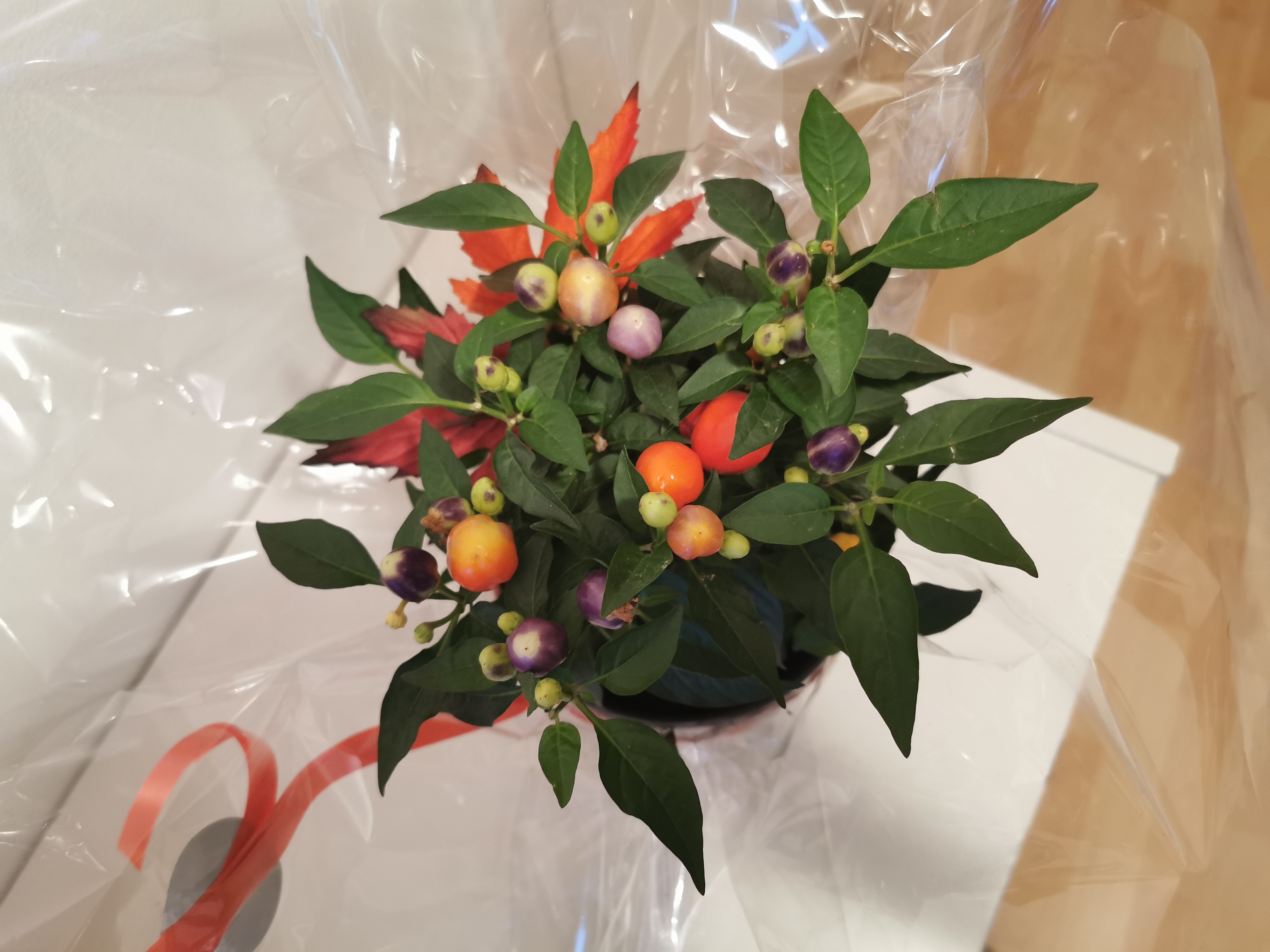
Peppers can produce well in containers when the setup gives them sun, warmth, drainage, and consistent moisture. This guide focuses on practical pot size, variety choice, feeding, and heat management for patios and balconies.
What do peppers need to grow well in pots?
To grow peppers in pots, choose a compact sweet or hot pepper variety, use a large container with drainage holes, fill it with fresh potting mix, place it in warm direct sun, transplant after cold risk passes, water evenly, feed during active growth, and support branches before fruit gets heavy.
Peppers are more forgiving in containers than large tomatoes because many varieties stay smaller, but they still need heat, light, root room, and consistent moisture. A decorative pot on a dim porch will not produce the same harvest as a warm, sunny patio container.
Pepper pot overview
Container peppers succeed when the pot matches the mature plant. Plan for roots, fruit weight, heat, water, and support before the pepper starts flowering.
| Best beginner peppers | Compact sweet peppers, lunchbox peppers, jalapenos, Thai chiles, and smaller hot peppers. |
|---|---|
| Harder choices | Large bell peppers and tall chile varieties in undersized pots. |
| Light | Full sun and warm conditions for flowering and fruiting. |
| Container | Large, food-safe pot or grow bag with drainage holes. |
| Soil | Fresh potting mix or container mix, not compacted garden soil. |
| Water | Even moisture, with dry-down between waterings and no standing saucer water. |
| Support | Small stake or cage before fruit loads the branches. |
| Best spaces | Sunny patios, decks, balconies, courtyards, and warm doorstep gardens. |
University of Maryland Extension treats peppers as warm-season vegetables. Oregon State University Extension also emphasizes warm-season timing and careful transplanting. In containers, that means you should wait for warm conditions and avoid rushing peppers into a cold outdoor pot.
Choose compact sweet or hot peppers for pots
The easiest potted peppers stay compact, flower reliably, and do not need a huge root zone. Small-fruited peppers often suit containers better than large bell peppers because the plant carries less fruit weight at once.
| Lunchbox peppers | Good beginner sweet peppers because fruits stay small and plants are manageable. |
|---|---|
| Jalapenos | Strong container choice with compact growth and useful harvests. |
| Thai chiles | Productive in warm pots, but check variety height and heat level before planting. |
| Compact bell peppers | Possible in larger containers, especially container-bred or patio types. |
| Large bell peppers | More demanding because the plant needs more root room, water, and support. |
| Ornamental peppers | Attractive, but buy edible varieties if your goal is cooking. |
Read the plant tag for mature height, fruit size, and days to harvest. A tiny seedling can become a broad, fruit-heavy plant by midsummer. If your balcony is small, choose one compact pepper and grow it well before adding several varieties.
Use a large container that will not tip
A pepper pot must hold roots, moisture, and a plant that may lean when fruit develops. Choose a container that is large enough for the mature plant and stable enough for your wind exposure.
Maryland Extension's vegetable container guidance recommends drainage holes and food-safe containers for edible crops. A reused bucket, tub, or planter can work if it is clean, safe for food, and never held paint, detergents, adhesives, pesticides, or unknown chemicals.
Container checklist for peppers
- Choose a large pot, grow bag, nursery container, or food-safe bucket with drainage holes.
- Use one pepper per container unless the planter is wide enough for mature spacing.
- Pick a heavier or wider container for windy balconies.
- Add a stake or small cage at planting time.
- Place the pot where watering runoff will not damage floors or drip on neighbors.
For broader vegetable choices, compare peppers with the best vegetables to grow in containers. Peppers sit in the middle: easier than many tomatoes, but more demanding than lettuce or radishes.
Use potting mix and simple drainage
Peppers need a container mix that drains while holding enough moisture for steady growth. Dense garden soil can compact in a pot and reduce air around roots.
University of Georgia Extension explains that container media must balance water-holding capacity, aeration, and drainage. Washington State University Extension explains why coarse material such as gravel at the bottom does not fix drainage the way many gardeners expect.
A practical pepper pot mix setup
- Use fresh potting mix or container mix.
- Moisten the mix before transplanting.
- Leave space below the rim so water can soak in without spilling mix out.
- Skip yard soil unless a local extension recipe specifically calls for it.
- Use drainage holes instead of a gravel layer as the drainage solution.
If the soil decision is unclear, read the potting soil vs garden soil guide and the pot drainage-hole guide.
Transplant peppers after the weather is warm
Peppers dislike cold stress. Start with a healthy transplant and move it outdoors only after conditions have warmed enough for a warm-season crop.
Maryland Extension's vegetable transplant guidance emphasizes hardening off transplants before planting outdoors. That matters for peppers in pots because balcony sun, wind, and temperature swings can shock seedlings that came from a sheltered nursery or indoor seed-starting setup.
- Harden off the pepper transplant before it stays outside full time.
- Place the final container in its sunny growing spot.
- Fill with fresh, lightly moistened potting mix.
- Plant the pepper at about the same depth it grew in the nursery pot.
- Firm the mix gently without compacting it hard.
- Add a stake or small cage at planting time.
- Water until excess drains from the holes.
- Check the plant later the same day if the weather is hot or windy.
Do not bury pepper stems deeply the way gardeners often bury tomato stems. Set the root ball securely, cover the roots, and keep the stem base from sitting in a wet depression.
Give peppers warm full sun
Peppers need warm direct sun to flower and ripen well. A plant may survive in part sun, but fruiting usually suffers when light is weak.
Maryland Extension's container vegetable guidance groups peppers with warm-season fruiting crops that need about 6 to 8 hours of direct sun. If your space gets only a few hours of sun, grow lettuce, herbs, or greens first and save peppers for a brighter location.
| 6 to 8 hours direct sun | Best target for flowering, fruiting, and ripening. |
|---|---|
| Morning sun only | Possible for compact peppers if the sun window is strong, but harvest may be lighter. |
| Hot afternoon patio | Use a larger pot and watch water stress during heat. |
| Windy balcony | Use a stable pot and support branches before fruit gets heavy. |
| Mostly shade | Choose leafy greens or herbs instead of peppers. |
Warmth helps, but heat stress can still interfere with flowering and fruit quality. Use container size, mulch on the mix surface where appropriate, and consistent watering to reduce sharp root-zone swings.
Myth vs reality: peppers love warm sun, but a small black pot on a hot balcony can dry fast enough to drop flowers. Root volume and steady moisture matter as much as sun.
Water evenly without drowning the roots
Potted peppers need steady moisture, especially during flowering and fruiting. Letting the pot dry hard, then flooding it, can stress the plant and reduce fruit quality.
Check the mix before watering. Small pots, fabric grow bags, black containers, wind, and hot balconies dry faster than larger light-colored containers in mild weather.
| Young transplant | Keep moisture steady while roots expand into the pot. |
|---|---|
| Flowering plant | Avoid dry swings that stress buds and flowers. |
| Fruiting plant | Water deeply when needed and let excess drain. |
| Hot day | Check early, then again later if the container is small or exposed. |
| Wet saucer | Empty standing water so roots do not sit in a soggy pocket. |
Water the mix rather than spraying leaves whenever practical. Wet leaves and crowded airflow can make disease management harder, especially on balconies where plants sit close together.
Feed peppers without pushing soft growth
Container peppers need nutrients through the season because roots cannot explore garden soil. Use a fertilizer labeled for vegetables or peppers and follow the label rate.
Many potting mixes include a starter fertilizer. Feeding too much too soon can push leafy growth before the plant settles. Heavy nitrogen can also encourage leaves at the expense of flowers and fruit. Start with the product label and watch plant response instead of guessing stronger.
Beginner feeding rules
- Use an edible-crop fertilizer and follow the label.
- Do not fertilize a dry, wilted plant before rehydrating the root zone.
- Feed more steadily once the plant is established and actively growing.
- Pause and diagnose if leaf tips burn, the pot smells sour, or growth turns weak after feeding.
- Remember that fertilizer cannot fix too little sun, cold weather, poor drainage, or a tiny pot.
Support branches before fruit gets heavy
Peppers often need less structure than tomatoes, but fruit-heavy branches can still bend or snap. Add support early so you do not damage roots later.
A small stake, bamboo cane, compact cage, or ring support can keep the plant upright. Tie stems loosely with soft ties and leave room for growth. Avoid tight wire or string that cuts into stems.
| Compact hot pepper | Often needs one small stake or a short cage. |
|---|---|
| Bell pepper | Benefits from support because large fruit weighs branches down. |
| Windy balcony | Use both a stable pot and plant support. |
| Pruning | Remove damaged or diseased leaves. Avoid heavy pruning unless you know the variety. |
| Harvest | Cut fruit with scissors or pruners instead of yanking branches. |
Harvesting also protects the plant. Pulling peppers by hand can tear a branch, especially when the stem is stiff. Cut the fruit cleanly.
Harvest peppers by use, not only by color
Peppers can be harvested at different stages depending on the variety and how you want to use them. Green peppers are immature fruit, while many varieties ripen to red, orange, yellow, purple, or brown. Waiting for full color usually gives sweeter or more developed flavor, but it also keeps fruit on the plant longer.
Oregon State University Extension notes that peppers are harvested at either immature or mature stages depending on the type. In a container, this is a practical decision. Picking some fruit earlier can reduce branch weight and encourage the plant to keep working, while saving every pepper for full color may slow the next round on a small plant.
| Green sweet peppers | Pick when fruit reaches usable size and walls feel firm. |
|---|---|
| Colored sweet peppers | Leave fruit longer for color and sweeter flavor, but support loaded branches. |
| Jalapenos | Harvest green for classic use or let some ripen red for a different flavor. |
| Small hot peppers | Pick as they reach the stage used for cooking, drying, or fresh eating. |
| Plant protection | Cut fruit with scissors or pruners so you do not split branches. |
If the plant is small, heat-stressed, or leaning, harvest usable fruit sooner rather than forcing every pepper to ripen on the plant. A compact potted pepper often performs better when you reduce weight and keep the care routine steady.
Use peppers where you have more sun than room
Peppers are good small-space crops when the space is sunny and warm. They need less sprawl than cucumbers and many tomatoes, but they still need a real container and regular care.
| Tiny balcony | Choose one compact pepper in a stable pot instead of several large fruiting crops. |
|---|---|
| Hot patio | Use a larger container and check moisture often. |
| Part-sun patio | Grow lettuce or herbs first if direct sun is limited. |
| Rental space | Use trays, pot feet, and containers you can move without damaging surfaces. |
| Mixed edible setup | Pair peppers with separate pots of herbs, greens, and compact vegetables rather than crowding one planter. |
For balcony runoff, wind, and weight planning, use the balcony vegetable garden guide. If you are comparing peppers with tomatoes, read the tomatoes in pots guide before choosing your first large fruiting crop.
Common pepper pot problems and likely causes
Container pepper problems usually trace back to light, temperature, watering, root room, fertility, or pests. Diagnose the pattern before applying a fix.
| Flowers drop | Temperature stress, drought stress, weak light, or transplant shock may contribute. |
|---|---|
| Leafy plant, few peppers | Too little sun, too much nitrogen, or immature plants can delay fruiting. |
| Wilting | Check soil moisture first. Dry roots and wet, damaged roots can both wilt. |
| Sunscald on fruit | Exposed fruit can get pale, damaged patches in intense sun. |
| Blossom-end rot | Often linked with calcium movement problems tied to inconsistent water and stress. |
| Sticky or curled leaves | Check undersides for aphids or other pests before spraying anything. |
Use edible-crop-safe pest control only when you have identified the pest and read the label. Hot pepper leaves and fruit are food crops, so avoid casual chemical use.
Pepper-in-pot advice that backfires
Peppers are beginner-friendly only when the advice fits the container and weather. These common tips need context.
"Peppers like stress"
Some gardeners let hot peppers dry slightly between waterings, but chronic drought stress can reduce growth, flowers, and fruit quality. Aim for steady moisture, not neglect.
"Any pepper works in a pot"
Most peppers can start in a pot. Not every pepper finishes well in a small pot. Large bells and tall chile plants need more room and support than compact varieties.
"Small pots make hotter peppers"
Stress is not a reliable flavor strategy for beginners. A cramped, dry plant may produce fewer or poorer peppers. Grow the plant well first.
"Bring pepper pots indoors and keep harvesting"
Indoor overwintering can work for some growers, but weak light, pests, and dry indoor air make it harder than moving a pot inside. Do not promise yourself winter harvests from a dim window.
"More fertilizer means more peppers"
Too much fertilizer can push leaves and salt buildup. Sun, warm roots, water, and variety choice matter as much as feeding.
Frequently asked questions
What peppers grow best in pots?
Compact sweet peppers, lunchbox peppers, jalapenos, Thai chiles, and smaller hot peppers are good beginner choices. Large bell peppers can work, but they need larger containers and steadier care.
How big should a pot be for peppers?
Use a large container that gives one pepper plant enough root room, drainage, and stability. A small decorative pot is usually too limiting for a productive pepper plant.
Can peppers grow in a 5-gallon bucket?
A clean food-safe 5-gallon bucket with drainage holes can work for one compact pepper. Larger varieties may need more room and stronger support.
Do peppers in pots need full sun?
Yes. Peppers grown for fruit need warm direct sun, commonly about 6 to 8 hours. In part sun, the plant may survive but produce fewer peppers.
How often should I water peppers in pots?
Check moisture often and water deeply when the root zone needs it. Hot, windy, fruiting plants in smaller containers dry faster than young plants in mild weather.
Should I prune peppers in pots?
Prune lightly. Remove damaged, diseased, or crowded leaves, but avoid heavy pruning unless you know the pepper type and have a reason.
Sources
The sources below support the pepper, transplanting, container, sunlight, soil, drainage, watering, feeding, and image-license guidance in this article. Competitor pages were reviewed only to map reader questions, depth, and gaps.
- University of Maryland Extension: Growing Peppers in a Home Garden
- Oregon State University Extension: Grow Your Own Peppers
- University of Maryland Extension: Growing Vegetables in Containers
- University of Maryland Extension: Planting Vegetable Transplants
- University of Georgia Extension: Gardening in Containers
- Washington State University Extension: The Myth of Drainage Material in Container Plantings
- Wikimedia Commons direct upload: chilli plant in a pot by Netha Hussain
- Creative Commons: CC BY-SA 4.0 license deed